


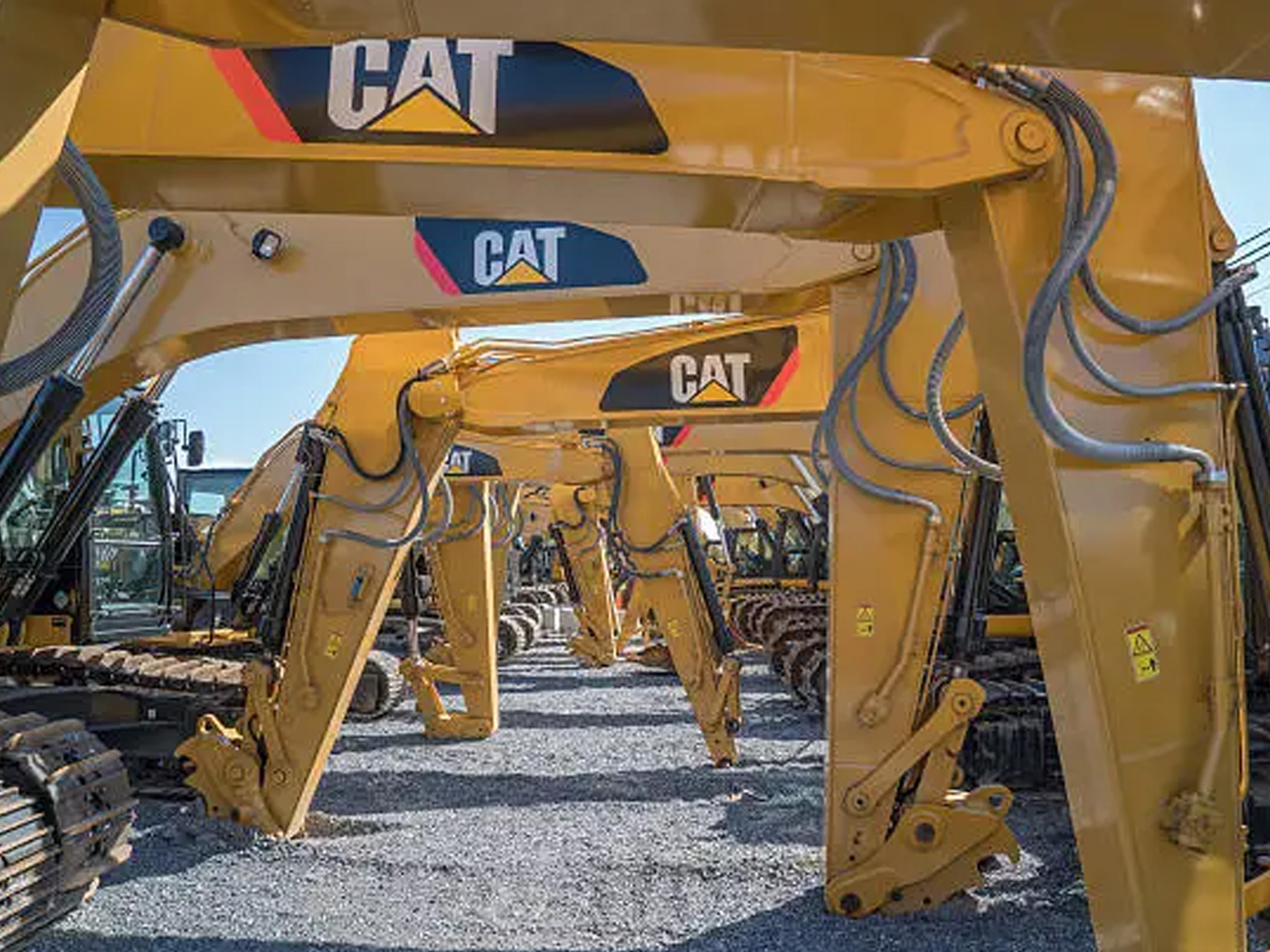
Caterpillar heavy machinery operates continuously under harsh and demanding working conditions; therefore, timely replacement of consumable parts is one of the most important measures for extending equipment lifespan and preventing costly breakdowns. In this article, we introduce the most important Caterpillar consumable parts and review the standard replacement intervals for each according to technical guidelines.
Why Is Timely Replacement of Caterpillar Consumable Parts Important?
Consumable parts perform critical functions such as filtering contaminants, protecting the engine, absorbing pressure, and lubricating components. If these parts are not replaced on time, machine efficiency quickly declines and other sensitive systems of the equipment may be damaged.
Timely replacement leads to the following benefits:
* Reduced fuel consumption
* Preservation of engine power
* Prevention of damage to hydraulic systems
* Avoidance of sudden equipment shutdowns
* Increased overall service life of the machinery
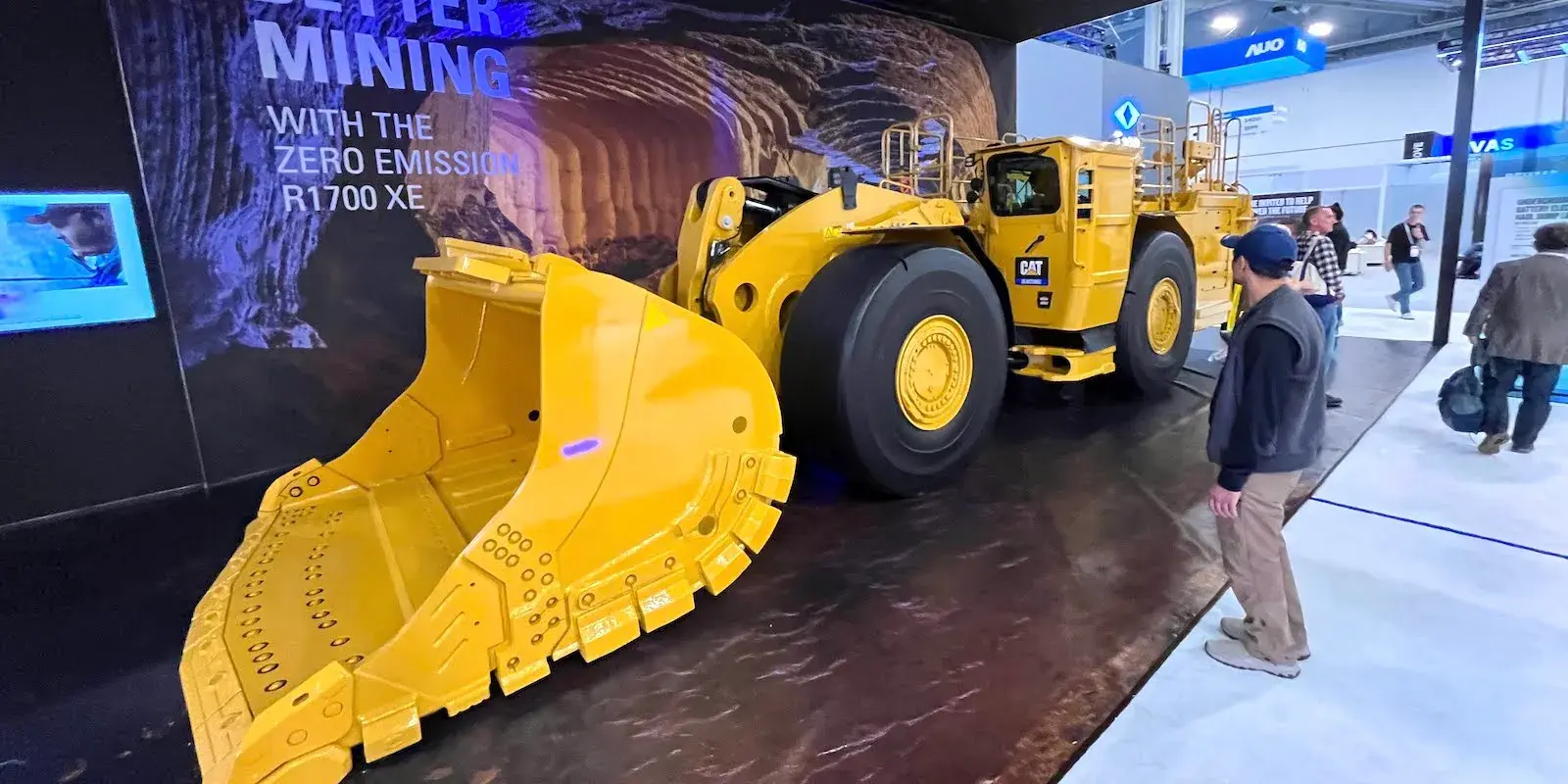
The Most Important Caterpillar Consumable Parts
Below, we provide a detailed explanation of the most commonly used consumable parts that must be inspected and replaced periodically.
1. Caterpillar Air Filter
Function of the Air Filter
The air filter is responsible for cleaning the air of dust and suspended particles before it enters the engine. In environments such as mines, construction sites, or desert areas, the air filter is exposed to heavier contamination and therefore needs to be replaced more frequently.
Standard Replacement Interval for the Air Filter
Generally:
* Every 250 to 500 operating hours
* In extremely dusty environments: every 150 to 250 hours
Failure to replace the air filter on time can lead to reduced engine power, increased fuel consumption, and damage to the engine cylinders.
2. Engine Oil Filter
Function of the Oil Filter
This filter prevents fine particles, metal shavings, and combustion-related contaminants from entering the engine. Its role in proper engine lubrication is critical.
Standard Replacement Interval
* Typically every 250 operating hours
* Under harsh conditions and heavy workloads: every 150 hours
Using counterfeit oil filters or delaying their replacement can cause serious damage to engine bearings and internal components.
3. Fuel Filter
Importance of the Fuel Filter
In many projects, fuel quality does not meet standard levels. The presence of contaminants, water, or suspended particles in the fuel can lead to injector blockage and damage to the fuel pump.
Fuel Filter Replacement Interval
* Every 400 operating hours
* Or when symptoms such as reduced engine power or difficulty starting the machine are observed
The fuel filter is one of the components where even minor performance issues can result in high repair costs.
4. Hydraulic Filter
Function of the Hydraulic Filter
The hydraulic system in heavy machinery controls the movements of the boom, arm, and other components. Any contamination in the hydraulic oil can cause failure of critical parts such as pumps and control valves.
Standard Replacement Interval
* Every 500 to 1,000 operating hours
* Depending on the machine model and intensity of use
Keeping the hydraulic circuit clean is one of the most important factors in preventing major repairs.
5. Engine Oil
Function of Engine Oil
Engine oil is responsible for lubricating, cooling, and preventing wear of internal engine components.
Replacement Interval
* Every 250 operating hours
* For machines operating under high pressure, it is better to replace slightly earlier
Delayed oil changes can lead to deposits on components and significantly reduce engine lifespan.
6. Hydraulic Oil
Function of Hydraulic Oil
Hydraulic oil transmits power within the hydraulic system while lubricating and cooling internal components.
Standard Replacement Interval
* Every 1,000 to 2,000 operating hours
* Depending on project type and environmental conditions
If the hydraulic system starts to operate slowly or with vibrations, it is likely time to replace the oil.
7. Pin & Bush (PIN & BUSH)
Importance of Pin & Bush
Pins and bushes are key components in the joints and movements of machinery arms, such as excavators and loaders. Prolonged use without replacement can cause looseness, vibrations, and reduced movement precision.
Replacement Interval
* Inspect during each regular service
* Replace when noticeable looseness or wear is observed
* In heavy-duty operations, replacement may be required every 1,000 to 1,500 operating hours
8. Hydraulic Hoses
Function of Hydraulic Hoses
Hydraulic hoses operate under high pressure, and any cracks, leaks, or wear can lead to complete machine downtime.
Replacement Interval
* Inspect during each regular service
* Replace every 2 to 3 years
* Or immediately upon detecting even the smallest leak
9. Caterpillar Machinery Battery
Importance of the Battery
The battery provides the necessary power for starting the engine, the control system, and electronic equipment.
Replacement Interval
* Typically every 2 to 3 years
* For machines operating in cold environments, replacement may be required sooner
Key Signs That Consumable Parts Need Replacement
* Engine warning light turns on
* Increased fuel consumption
* Reduced machine power and speed
* Unusual noises from the engine or hydraulic pump
* Slower arm movements
* Difficulty starting the machine
Ignoring these signs can lead to costly and extensive repairs.
Conclusion
Caterpillar consumable parts play a crucial role in maintaining stable and long-lasting machine performance. Timely replacement of these parts not only reduces repair costs but also improves efficiency, lowers fuel consumption, and prevents sudden machine stoppages.
For optimal results, always use genuine or reputable OEM parts and strictly follow the periodic service schedule outlined in the machine’s manual.